Learn how to learn
A student learns to frame the problem, compare options, verify the result and explain the route taken.
ABOUT NEUSLAB
Programming, mathematics, physics, logic, robotics and engineering thinking form one connected educational system.
The goal is not to master one piece of equipment. The goal is to become capable of meeting an unfamiliar problem.HOW LEARNING WORKS
We do not reduce technical education to following a ready-made instruction. Students gradually learn to understand a condition, ask useful questions, divide a difficult problem into parts and test more than one approach.
An instruction can be a starting point. It should not become the final method. Over time, every student moves toward independent design, programming and explanation of their decisions.
OUR PHILOSOPHY
Freedom to experiment works together with discipline, responsibility and clear expectations.
A student learns to frame the problem, compare options, verify the result and explain the route taken.
We value the principle behind a solution more than mechanical memorization or a quick familiar answer.
A failed test becomes information. The student observes the consequence, finds the cause and improves the system.
Age, previous experience and independence shape the route, while the standard of understanding remains high.
Technical creativity means finding a working path when no prepared answer is available.
EDUCATION AND PRACTICE
NeusLab methodologists and teachers combine experience in education with practice in the subjects they teach. Programs connect theory, code and the physical behavior of a real system.
Work with younger students also requires an understanding of age, attention and learning through concrete action. Advanced groups need stronger system thinking, programming and engineering discipline. The teaching method changes, but the demand for understanding does not.
SHARED RESPONSIBILITY
NeusLab is not a passive entertainment format. A sustainable result requires work from the student, the family and the teacher.
Students do not need technical knowledge before they begin. They do need to take part in the work and be ready to become more independent over time.
THE TEAM
Each program lead has a distinct professional focus. The standard of thinking, responsibility and practical work stays shared.
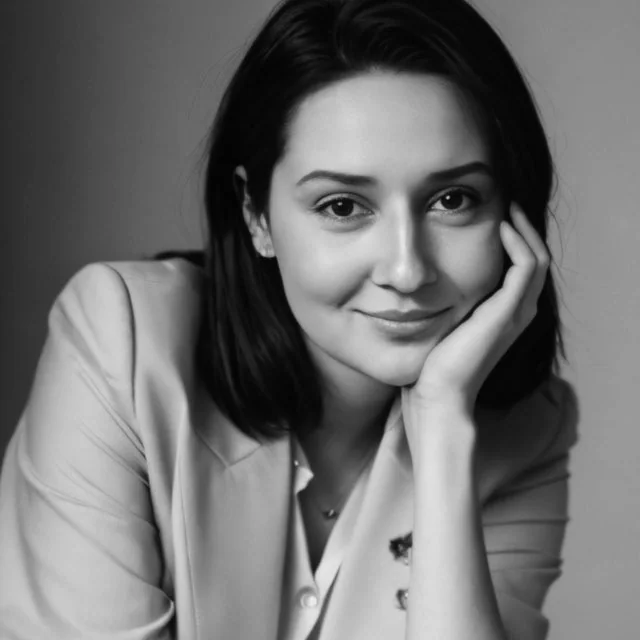
Alexandra develops programs for younger age groups and adapts technical subjects to how children observe, act and learn.
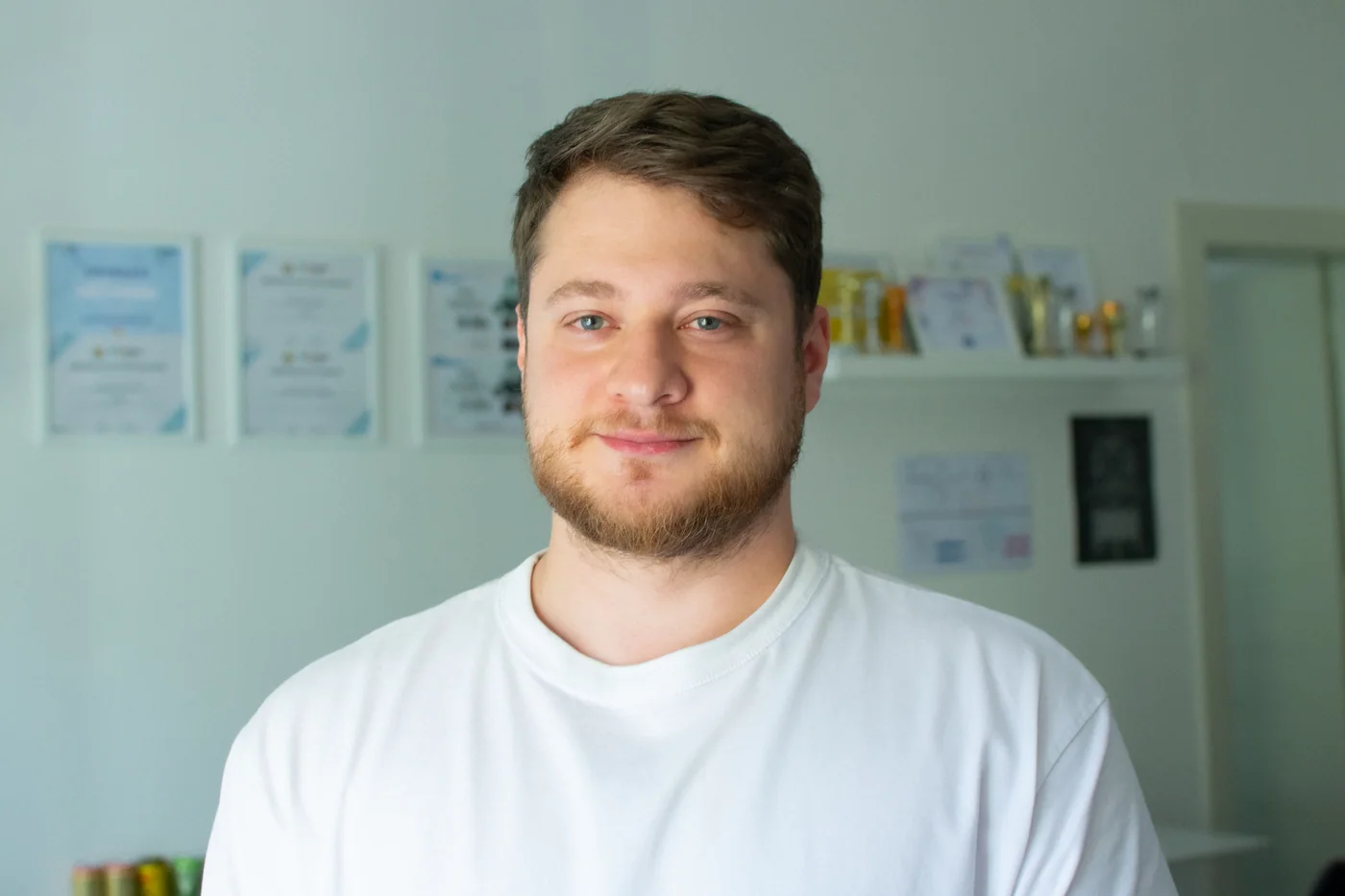
Dmitry leads the engineering direction and prepares students for project work and technical competitions.

Ilya helps advanced students move from isolated exercises to larger, structured software systems.
STARTING POINT
Age helps us identify a possible group, but it does not show motivation, independence, logical thinking or technical readiness. We assess these before enrollment.
Book a level assessment